

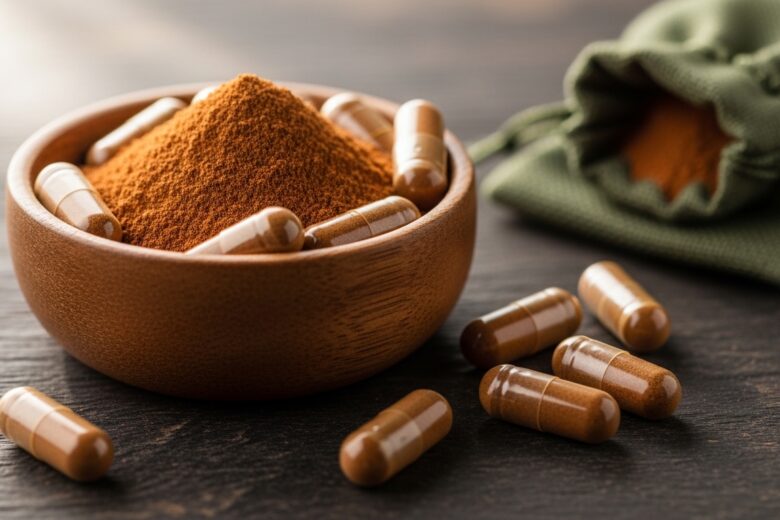
You know what keeps most people up at night?
It’s not the big stuff. It’s the constant hum of tension that never seems to stop.
Look, the wellness market is flooded with solutions. But here’s the thing: most people don’t want something that knocks them out or makes them feel foggy. They want something gentle. Something that helps them unwind without losing their edge.
That’s exactly why Red Bali Kratom has become one of the most sought-after strains in the kratom community.
But before you jump in, you need to understand what makes this particular variety different from the dozens of other options out there. Because not all kratom is created equal, and choosing the wrong strain is like buying equipment that doesn’t match your workflow.
Wasteful. Frustrating. Ineffective.
So let’s break down exactly what Red Bali Kratom is, why it works, and whether it’s the right choice for your needs.
What Makes Red Bali Kratom Different
Red Bali Kratom comes from the island of Bali in Indonesia. It’s a red-vein variety, which means the leaves are harvested at full maturity when the veins have turned a deep red color.
Here’s what matters:
The alkaloid profile of Red Bali Kratom is uniquely balanced. It contains higher concentrations of 7-hydroxymitragynine compared to other strains, which is the compound most associated with relaxation effects.
But it’s not just about one alkaloid.
Red Bali also maintains enough mitragynine (the other primary alkaloid) to provide a sense of well-being without the sedation that some red strains can cause.
Think of it this way: if Red Maeng Da is a strong espresso, Red Bali Kratom effects feel more like a smooth herbal tea—known for relaxation, calm mood, balance.
The Three Core Characteristics
Mild Relaxation: Users consistently report a calming effect that doesn’t interfere with daily activities.
Longer Duration: Red Bali tends to have effects that last 4-6 hours, which is longer than many white or green strains.
Lower Stimulation: Unlike green or white varieties, Red Bali won’t give you an energy boost. It’s designed for unwinding, not ramping up.
Why Users Prefer Red Bali Over Other Red Strains
I’ve talked to hundreds of kratom users over the years. And when it comes to red strains, Red Bali consistently ranks in the top three preferences.
Why?
Because it’s forgiving.
Look, if you take too much of a potent red strain like Red Maeng Da or Red Thai, you might feel overly sedated. That’s not productive. That’s just uncomfortable.
Red Bali Kratom has a gentler curve. Even if you slightly overshoot your ideal serving, you’re unlikely to experience the heavy drowsiness that comes with more potent reds.
Here’s the breakdown:
| Strain | Relaxation Level | Energy Level | Duration | Best For |
|---|---|---|---|---|
| Red Bali | Moderate-High | Very Low | 4-6 hours | Evening relaxation, stress relief |
| Red Maeng Da | Very High | Low | 5-7 hours | Deep relaxation, sleep support |
| Red Thai | High | Low-Moderate | 4-5 hours | Pain relief, moderate relaxation |
| Green Malay | Moderate | Moderate-High | 5-6 hours | Balanced energy and calm |
Notice the pattern?
Red Bali sits in that sweet spot where it provides meaningful relaxation without completely shutting you down.
The Science Behind the Relaxation Effects
Let’s get practical for a second.
Kratom works by interacting with opioid receptors in your brain. But before you panic, understand this: it’s not an opioid. It’s a plant that happens to interact with the same receptor system.
The alkaloids in Red Bali Kratom (primarily 7-hydroxymitragynine and mitragynine) bind to mu-opioid receptors, which are involved in pain perception and mood regulation.
But here’s what makes it different from pharmaceutical options:
The binding is partial, not full. That means you get the benefits (relaxation, stress relief, mild discomfort reduction) without the severe risks associated with traditional opioids.
Is it completely risk-free? No. Nothing is.
But when used responsibly, Red Bali offers a natural alternative that many users find preferable to synthetic options.
What the Alkaloid Profile Tells Us
Red Bali typically contains:
- 7-Hydroxymitragynine: 0.02-0.04% (higher than most strains)
- Mitragynine: 1.2-1.8% (moderate levels)
- Minor alkaloids: Including speciogynine, paynantheine, and others that contribute to the overall effect
This combination creates what users describe as a “smooth” experience. Not too strong. Not too weak. Just right.
How to Use Red Bali Kratom Effectively
Here’s where most people mess up.
They treat all kratom the same. They don’t adjust for strain differences. And then they wonder why their experience is inconsistent.
With Red Bali Kratom, less is often more.
Recommended Serving Sizes
Beginner: 1-2 grams Start here if you’ve never used kratom before. Wait 45 minutes before considering more.
Intermediate: 2-4 grams This is the sweet spot for most users seeking relaxation without sedation.
Experienced: 4-6 grams Higher servings increase relaxation effects but also increase the risk of drowsiness.
Here’s the truth: if you need more than 6 grams to feel effects, you’re either using low-quality product or you’ve developed tolerance. Neither is ideal.
Best Times to Take Red Bali
Evening wind-down: 2-3 hours before bed to promote relaxation without forcing sleep.
Weekend afternoons: When you want to decompress but still be functional.
After stressful events: To help your nervous system reset.
Avoid taking Red Bali in the morning unless you have a very low-key day planned. It’s not designed for productivity.
Quality Matters More Than You Think
Look, I’m going to be blunt.
The kratom market is full of subpar products. Vendors who don’t test their batches. Suppliers who cut corners on sourcing. Brands that make wild claims without any backing.
If you’re going to use Red Bali Kratom, you need to know what to look for.
The Non-Negotiables
Third-party lab testing: Every batch should be tested for alkaloid content, heavy metals, and microbial contamination.
Transparent sourcing: The vendor should tell you exactly where their kratom comes from and how it’s processed.
Fresh product: Kratom loses potency over time. Look for vendors with high turnover and proper storage.
No additives: Pure kratom powder or capsules only. No fillers, no extracts mixed in without disclosure.
If a vendor can’t provide lab results, walk away. It’s that simple.
Common Mistakes to Avoid
You know what I see all the time?
People who have a great experience with Red Bali, then immediately increase their serving thinking “more must be better.”
Wrong.
Kratom has a ceiling effect. Beyond a certain point, taking more doesn’t increase the benefits. It just increases side effects like nausea, dizziness, or the “wobbles” (a term users use for that uncomfortable, disoriented feeling).
Other Pitfalls
Taking it on a full stomach: Food slows absorption. For best results, take Red Bali on an empty stomach or with a light snack.
Mixing with other substances: Combining kratom with alcohol or sedatives is asking for trouble. Don’t do it.
Using it daily without breaks: Tolerance builds quickly. Most experienced users recommend taking at least 2-3 days off per week.
Ignoring hydration: Kratom is dehydrating. Drink plenty of water throughout the day.
The Bottom Line on Red Bali
Here’s the deal.
Red Bali Kratom has earned its reputation as a user-friendly strain for good reason. It delivers gentle relaxation without the intensity of stronger reds or the stimulation of greens and whites.
But like any botanical substance, it requires respect and responsible use.
Start low. Pay attention to how your body responds. Buy from reputable vendors who actually test their products. And take regular breaks to prevent tolerance.
Do those things, and Red Bali might become your go-to option for natural stress relief.
Is it a miracle plant? No. Does it work for everyone? Definitely not.
But for the thousands of users who prefer a milder, more manageable relaxation experience, Red Bali consistently delivers.
The question is: are you ready to try it the right way?