

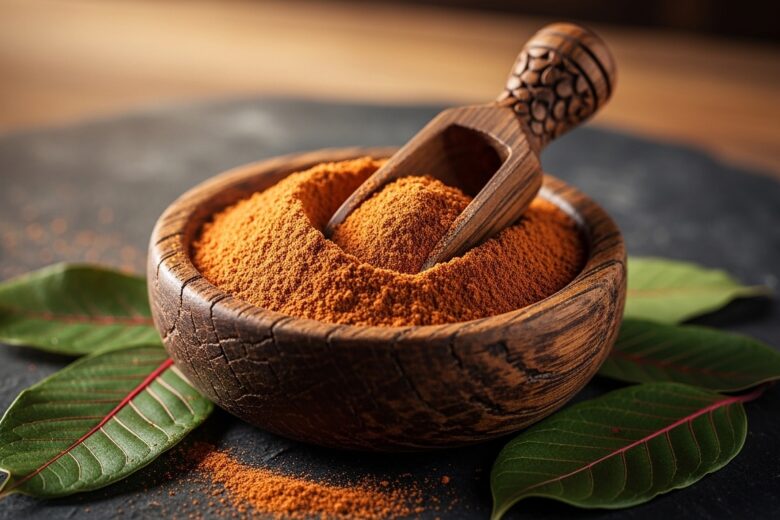
Red Horn Kratom stands out among botanical supplements for its distinctive appearance and unique alkaloid profile. Named after the horn-like serrations on its leaf edges, this rare strain has captured the attention of wellness enthusiasts seeking natural alternatives for relaxation and discomfort management. Understanding what sets this variety apart can help newcomers make informed decisions about incorporating it into their wellness routines.
What Makes Red Horn Kratom Unique
Red Horn Kratom originates from the ancient forests of Southeast Asia, where indigenous communities have valued kratom trees for generations. Unlike more common strains, Red Horn features uniquely shaped leaves with pointed, horn-like edges that distinguish it from standard varieties. This physical characteristic isn’t merely cosmetic—it reflects a distinct alkaloid composition that influences the overall experience.
The red vein classification indicates the maturity level of the leaves when harvested. Red vein varieties typically undergo longer growing periods, allowing alkaloids to develop more fully. This maturation process contributes to the strain’s reputation for producing calming, soothing effects rather than energizing properties.
Botanical Background
The Mitragyna speciosa tree thrives in humid, tropical climates with rich soil conditions. Red Horn Kratom specifically comes from trees cultivated in regions with optimal growing conditions, including:
- Indonesia: Primary source for most Red Horn varieties
- Malaysia: Known for potent alkaloid concentrations
- Thailand: Traditional cultivation methods preserved through generations
- Borneo: Rich soil produces distinctive alkaloid profiles
Harvesting occurs when leaves reach peak maturity, typically indicated by deep red veining throughout the leaf structure. Farmers carefully select leaves with pronounced horn-like serrations, as these specimens generally contain higher alkaloid concentrations.
Primary Effects of Red Horn Kratom
Understanding the effects helps beginners set appropriate expectations. Red Horn effects include relaxation, stress relief, mild sedation, and mood support, differing from white or green vein varieties.
Relaxation and Calm
Users frequently report a profound sense of tranquility after consumption. The alkaloid profile promotes mental relaxation without the grogginess associated with some pharmaceutical alternatives. This makes it particularly appealing for those seeking natural stress management options.
Discomfort Management
Many individuals turn to Red Horn for its potential to address physical discomfort. The strain’s alkaloid content interacts with the body’s receptors in ways that may help manage occasional aches and tension. While individual experiences vary, this remains one of the most commonly reported benefits.
Sleep Support
The sedating qualities make Red Horn a popular choice for those struggling with sleep quality. When taken in appropriate amounts during evening hours, it may promote relaxation conducive to restful sleep. However, timing and dosage play crucial roles in achieving desired outcomes.
Mood Enhancement
Beyond physical effects, users often describe improved emotional well-being. The strain may help create a sense of contentment and mental ease, though these effects tend to be subtle rather than overwhelming.
Comparing Red Horn to Other Kratom Strains
| Strain Type | Primary Effects | Energy Level | Best Used For |
|---|---|---|---|
| Red Horn | Relaxation, calm | Low | Evening relaxation, discomfort |
| Red Bali | Sedation, comfort | Low | Sleep support, stress relief |
| Red Maeng Da | Balanced relief | Moderate | All-day comfort |
| Green Malay | Energy, focus | Moderate-High | Daytime productivity |
| White Thai | Stimulation, clarity | High | Morning energy boost |
This comparison illustrates how Red Horn fits within the broader kratom spectrum. Its effects lean heavily toward the sedating end, making it less suitable for daytime productivity but ideal for unwinding.
Recommended Dosage Guidelines for Beginners
Starting with appropriate amounts is critical for positive experiences. Red Horn Kratom potency means less is often more, especially for those new to botanical supplements.
Starting Dose
Begin with 1-2 grams to assess individual tolerance. This conservative approach allows the body to adjust while minimizing the risk of unwanted effects. Wait at least 45-60 minutes to evaluate results before considering additional amounts.
Moderate Dose
After establishing tolerance, 2-4 grams typically provides noticeable effects without overwhelming intensity. This range suits most users seeking relaxation and mild discomfort management.
Higher Dose
Experienced users sometimes consume 4-6 grams for more pronounced effects. However, beginners should avoid this range until they thoroughly understand their individual response patterns.
Important Considerations
- Body weight influences optimal dosage
- Empty stomach consumption produces faster, stronger effects
- Tolerance develops with regular use, requiring periodic breaks
- Quality variations between vendors affect potency significantly
Different Consumption Methods
Red Horn Kratom comes in several forms, each offering distinct advantages:
Powder Form
The most common and economical option. Powder can be mixed into beverages, combined with food, or consumed using the “toss and wash” method. While cost-effective, the bitter taste challenges some users.
Capsules
Pre-measured capsules eliminate taste concerns and simplify dosing. They cost more than powder but offer convenience and discretion. Effects may take slightly longer to manifest due to capsule dissolution time.
Extracts
Concentrated forms provide potent effects in smaller quantities. Extracts suit experienced users but pose higher risks for beginners due to their intensity.
Tea Preparation
Brewing Red Horn into tea offers a traditional consumption method. Simmering powder in water for 15-20 minutes creates a drinkable solution, though some alkaloids may degrade with heat exposure.
Potential Side Effects and Safety Considerations
While many users enjoy positive experiences, Red Horn Kratom can produce unwanted effects, particularly when consumed irresponsibly.
Common Side Effects
- Nausea or stomach discomfort
- Dizziness or lightheadedness
- Drowsiness or excessive sedation
- Dry mouth or mild dehydration
- Constipation with regular use
Safety Precautions
Avoid combining with alcohol, prescription medications, or other substances without professional guidance. The sedating nature of Red Horn amplifies risks when mixed with other depressants.
Stay hydrated throughout the day, as kratom can contribute to dehydration. Drinking adequate water helps minimize side effects and supports overall wellness.
Take breaks to prevent tolerance buildup. Many experienced users implement rotation schedules, alternating between strains or taking periodic abstinence periods.
Source responsibly from reputable vendors who conduct third-party laboratory testing. Contaminated or adulterated products pose serious health risks.
Finding Quality Red Horn Kratom
Product quality varies dramatically between suppliers. Beginners should prioritize vendors who:
- Provide lab testing results verifying purity and alkaloid content
- Offer transparent sourcing information about harvest locations
- Maintain positive customer reviews across multiple platforms
- Practice proper storage to preserve alkaloid potency
- Provide clear dosage guidance and educational resources
Avoid suspiciously cheap products, as low prices often indicate inferior quality or questionable sourcing practices. Investing in premium Red Horn ensures better experiences and reduces contamination risks.
Building a Sustainable Kratom Routine
For those incorporating Red Horn Kratom into regular wellness practices, sustainability matters. Responsible use involves:
Rotating strains to prevent tolerance to specific alkaloid profiles. Alternating between Red Horn and other varieties maintains effectiveness while reducing dependency risks.
Tracking consumption through journals or apps helps identify patterns and prevent excessive use. Recording dosages, timing, and effects provides valuable insights over time.
Listening to the body and adjusting accordingly. If effects diminish or side effects increase, taking breaks allows the system to reset.
Staying informed about evolving research and regulatory changes. The kratom landscape continues developing, making ongoing education essential.
Conclusion
Red Horn Kratom offers beginners an accessible entry point into botanical wellness when approached responsibly. Its distinctive alkaloid profile provides calming, soothing effects that complement evening routines and stress management strategies. By starting with conservative dosages, sourcing quality products, and maintaining awareness of individual responses, newcomers can explore this unique strain safely.
The journey with Red Horn begins with education and proceeds through careful experimentation. Take time to understand personal tolerance levels, recognize the importance of quality sourcing, and commit to responsible consumption practices. Whether seeking relaxation support, discomfort management, or improved sleep quality, this rare strain deserves consideration as part of a balanced wellness approach.
Begin with small amounts, purchase from reputable vendors, and maintain realistic expectations. The effects develop gradually, rewarding patience with potentially meaningful benefits for those who approach Red Horn Kratom with respect and intention.